Youth Experience, Learning, and Digital Practices
Creating new avenues for youth learning, communication, play, and self-expression.
Research Projects
Postdoctoral Fellowship: STEMEdIPRF: SAGE4ICE: Student Analogy Generation Empowerment for Computing Education
Principal Investigator(s):
Funder: National Science Foundation
Research Areas: Accessibility and Inclusive Design > Data Science, Analytics, and Visualization > Future of Work > Human-Computer Interaction > Youth Experience, Learning, and Digital Practices
This project develops classroom activities, digital scaffolding tools, and an online library to guide students in creating effective analogies for learning computing concepts. By improving comprehension and persistence in introductory courses, the project aims to broaden participation and strengthen the pipeline of future computing professionals.
Principal Investigator(s):
Funder: National Science Foundation
Research Areas: Accessibility and Inclusive Design > Data Science, Analytics, and Visualization > Future of Work > Human-Computer Interaction > Youth Experience, Learning, and Digital Practices
This project develops classroom activities, digital scaffolding tools, and an online library to guide students in creating effective analogies for learning computing concepts. By improving comprehension and persistence in introductory courses, the project aims to broaden participation and strengthen the pipeline of future computing professionals.
CAREER: Self-Directed Human-LLM Coordination for Language Learning and Information Seeking
Principal Investigator(s): Ge Gao
Funder: National Science Foundation
Research Areas: Accessibility and Inclusive Design > Health Informatics > Human-Computer Interaction > Information Justice, Human Rights, and Technology Ethics > Machine Learning, AI, Computational Linguistics, and Information Retrieval > Youth Experience, Learning, and Digital Practices
This project uses AI-powered digital tutors to help individuals with limited majority-language proficiency improve their language skills for real-world information seeking. By enabling users to design personalized tutoring systems, the study advances language learning, AI literacy, and human-computer interaction.
Principal Investigator(s): Ge Gao
Funder: National Science Foundation
Research Areas: Accessibility and Inclusive Design > Health Informatics > Human-Computer Interaction > Information Justice, Human Rights, and Technology Ethics > Machine Learning, AI, Computational Linguistics, and Information Retrieval > Youth Experience, Learning, and Digital Practices
This project uses AI-powered digital tutors to help individuals with limited majority-language proficiency improve their language skills for real-world information seeking. By enabling users to design personalized tutoring systems, the study advances language learning, AI literacy, and human-computer interaction.
An AI-Enhanced Colleague for Teachers: Developing and Studying an Innovative Platform for Efficient, Inclusive Middle-Grade Mathematics Lesson Planning
Principal Investigator(s):
Funder: National Science Foundation
Research Areas: Machine Learning, AI, Computational Linguistics, and Information Retrieval > Youth Experience, Learning, and Digital Practices
This project supports middle school math teachers by developing an AI-powered lesson planning tool that enhances efficiency, quality, and inclusivity. Integrating generative AI with research-based practices, it offers personalized guidance for creating effective lessons. The project also examines impacts on teacher stress, instructional effectiveness, and student learning outcomes.
Principal Investigator(s):
Funder: National Science Foundation
Research Areas: Machine Learning, AI, Computational Linguistics, and Information Retrieval > Youth Experience, Learning, and Digital Practices
This project supports middle school math teachers by developing an AI-powered lesson planning tool that enhances efficiency, quality, and inclusivity. Integrating generative AI with research-based practices, it offers personalized guidance for creating effective lessons. The project also examines impacts on teacher stress, instructional effectiveness, and student learning outcomes.
Faculty

























Staff








Recent News

Photo licensed by Adobe Stock via BullRun
The Internship That Works Both Ways
The MLIS field study places students at 150+ libraries, archives, and cultural institutions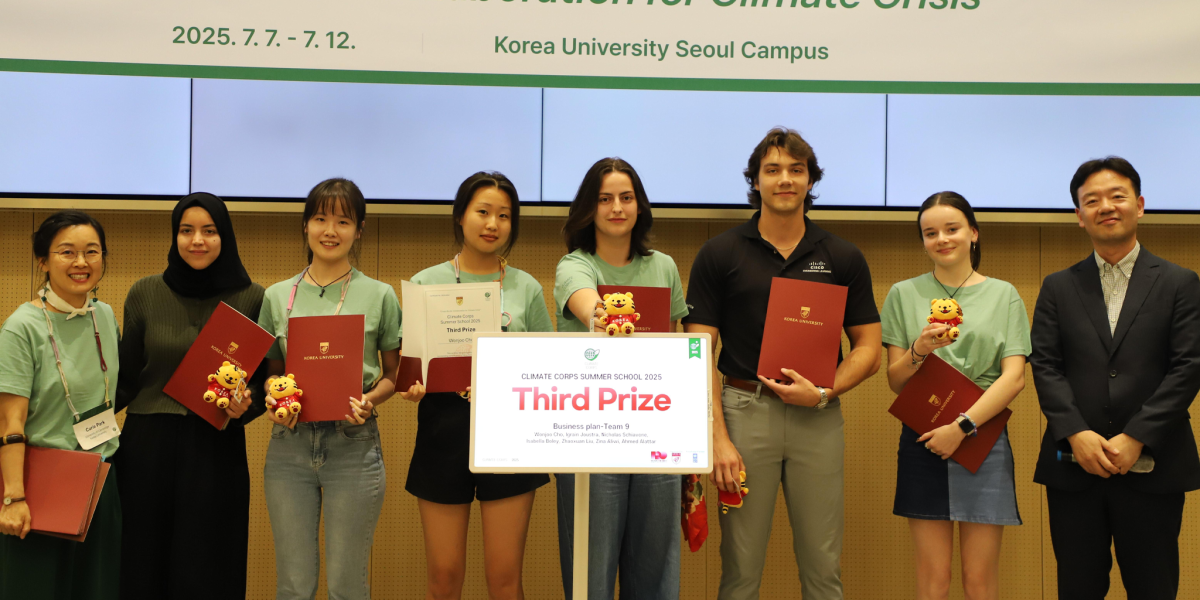
Photo courtesy of Maryland Global
Maryland Global: Code, Collaboration and Climate Solutions
Information Science alum Nicholas Schiavone applied tech and data skills to support climate refugees in global competition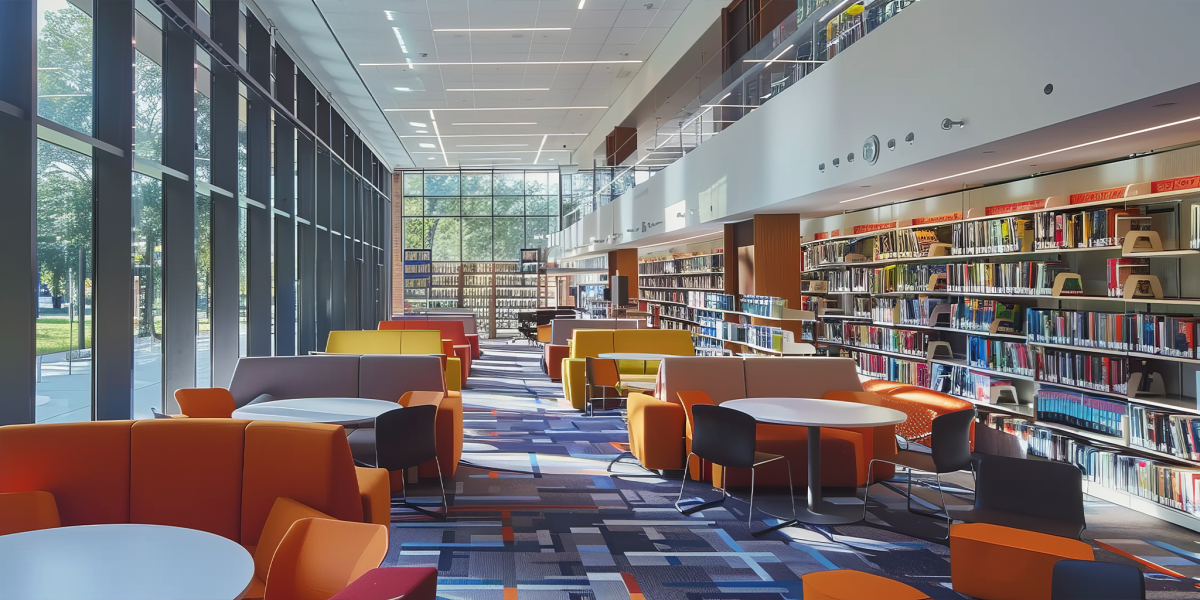
Photo licensed by Adobe Stock via Ashi